

Retargeting Ads Health
Common Problems
5
Google Partner · Shopify Partner · Real ROAS proof, not promises
Retargeting ads help you reconnect with people who have already shown interest in your business. Thrive Converters plans and manages retargeting campaigns across multiple platforms to bring past visitors back and encourage them to take the next step, such as making a purchase, booking a call, or submitting a lead form.
Retargeting ads can help bring interested people back, but poor audience setup, repetitive ads, weak tracking, or the wrong timing can quickly reduce its value.
Common Problems
5
Problems We Help Solve
Improve Audience Setup, Messaging & Tracking
We help identify audience, frequency, messaging, exclusion, and tracking problems that can reduce the value of retargeting campaigns.
Common Retargeting Ads Problems
Someone who viewed one page may need a different message from someone who reached checkout or requested information. Treating every past visitor the same can make ads less relevant.
If people see the same ad too many times, it can become annoying and waste budget. Frequency and timing should be managed carefully.
People who already completed the goal should usually be removed from the same retargeting audience. This helps avoid spending money on actions that already happened.
Retargeting works better when the ad connects with what the person already viewed or considered. Generic ads can feel less relevant and get ignored.
If tracking is not set up correctly, it becomes harder to see which audiences, ads, and platforms are helping people return and convert.
Our retargeting ads services cover the key work needed to plan, launch, track, and improve campaigns across the channels that fit your audience and goals.
Review current campaigns, audience sources, tracking, conversion actions, exclusions, and available data to find gaps before new campaigns are built.
Organize audiences by actions such as page visits, product views, form activity, funnel stage, or other useful signals so messaging can be more relevant.
Build or reorganize campaigns around clear goals, audience groups, budgets, channels, and testing priorities.
Plan messages, offers, formats, and calls to action that match what each audience already knows about your business.
Review or set up agreed conversion tracking and audience exclusions so campaign decisions are based on useful data and unnecessary repeat spend is reduced.
Review audience response, creative, frequency, conversions, costs, and budget allocation regularly. Clear reporting explains what changed and what should happen next.
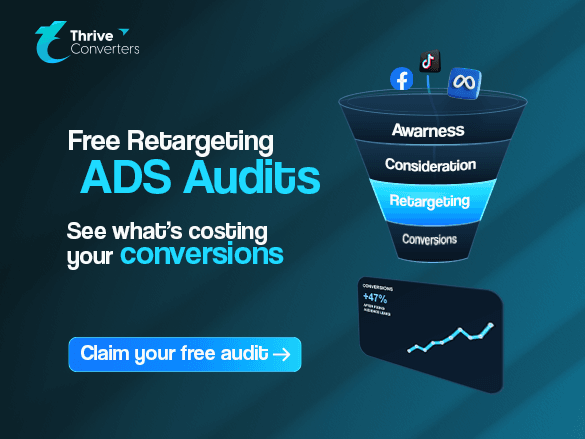
Better retargeting ads starts with understanding who should see the ads, what they already did, and what action makes sense next. Audience and conversion data then guide what should be tested, improved, or scaled.
Define the action the campaign should support, such as a purchase, lead, booking, sign-up, or another important conversion.
Group people based on meaningful actions and funnel stage instead of placing every visitor into one large audience.
A returning visitor should not always see the same message as a new prospect. Creative and offers are planned around previous interest and the next logical step.
Recency windows, frequency, and audience exclusions are reviewed to help reduce wasted impressions and keep ads relevant.
Audience, creative, channel, cost, and conversion data are reviewed together so budget can move toward the strongest opportunities when the data supports it.
Reach people who have already shown interest in your business with retargeting ads campaigns built around the right audience, message, and platform. The goal is to bring past visitors back, keep your offer visible, and encourage them to take the next step.
Retargeting ads is most useful when people often need more than one visit or interaction before they are ready to take the next step.
A clear process helps keep retargeting ads campaigns focused and measurable. Each step is built around your audience data, conversion goals, creative, tracking, and budget.
Review current campaigns, audience sources, tracking, conversion actions, exclusions, creative, and past performance to identify gaps and opportunities.
Define audience segments, recency windows, exclusions, channels, messaging, budget approach, and testing priorities before launch.
Build the agreed campaigns, audiences, ads, budgets, tracking, and exclusions, then check key settings before campaigns go live.
Review audience response, frequency, creative, conversions, and costs. Make focused changes based on what the data supports.
Clear reporting shows what is working, what needs attention, and what should happen next. Budget can be increased where performance and business data support it.
Retargeting ads performance should be measured by the business actions that matter, not impressions or clicks alone. We review conversions, costs, audience response, frequency, and campaign performance to see what is working and where improvements are needed.
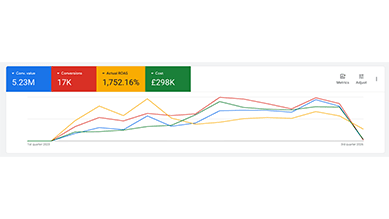
“How WTDiesel generated £5.23M in conversion value from £298K in Google Ads spend while achieving a 17.52x ROAS.”
Client
WTDiesel
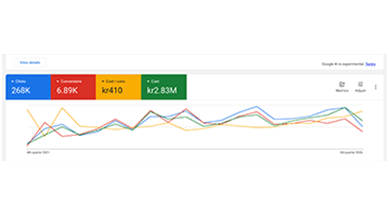
“How Stoneks generated approximately 6,890 tracked conversions at an average cost of SEK 410 using high-intent Google Ads campaigns.”
Client
Stoneks AB
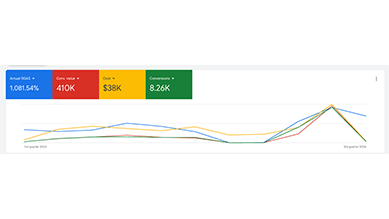
“How Sweets Kendamas generated $410K in conversion value from $38K in advertising spend while achieving a 10.81x ROAS.”
Client
Sweets Kendamas
Thrive Converters keeps retargeting ads focused on the people most likely to return and take action. Audience strategy, creative, tracking, frequency, and campaign data work together to reduce wasted spend and support your conversion goals.
Core Principles
6
Why Choose Us
Retargeting Built Around Real Intent
We connect audience strategy, cross-platform campaign management, frequency control, creative, tracking, testing, and reporting so retargeting stays focused on your conversion goals.
How We Work
Audiences are built around meaningful actions, interests, and funnel stages so different visitors can receive more relevant ads.
Retargeting can be coordinated across Google, Meta/Facebook, and LinkedIn while keeping each platform’s campaigns, audiences, and reporting clearly organized.
Ad frequency, audience recency, and conversion exclusions are reviewed to help reduce unnecessary spend and avoid showing the same message too often.
Creative performance is reviewed alongside audience response and conversion data. This helps show which messages are getting attention and which are helping people take the next step.
Audiences, messages, offers, creative, and campaign settings are tested with specific goals so it is easier to understand what is working and what should improve.
Reports focus on the information that matters most: what is working, what changed, what was learned, and what should happen next. Campaign decisions are explained in clear, simple language.
Retargeting ads pricing depends on your ad budget, number of channels, audience size and complexity, creative needs, tracking setup, and level of ongoing management. Ad spend and agency fees are kept separate so your costs and service scope stay clear.

Answers to common questions about retargeting ads, audience setup, pricing, campaign timing, cross-platform management, tracking, and how retargeting campaigns are planned.
Retargeting ads are paid ads shown to people who have already interacted with your business, such as visiting your website, viewing a product, or completing another qualifying action. The goal is to bring interested people back when they may be more ready to take the next step.
Better retargeting ads starts with the right audiences, relevant messages, reliable tracking, and clear control over where your budget goes. Talk with Thrive Converters about your current campaigns, audience data, goals, and budget. We’ll help you identify what needs attention and the right next step for your retargeting strategy.